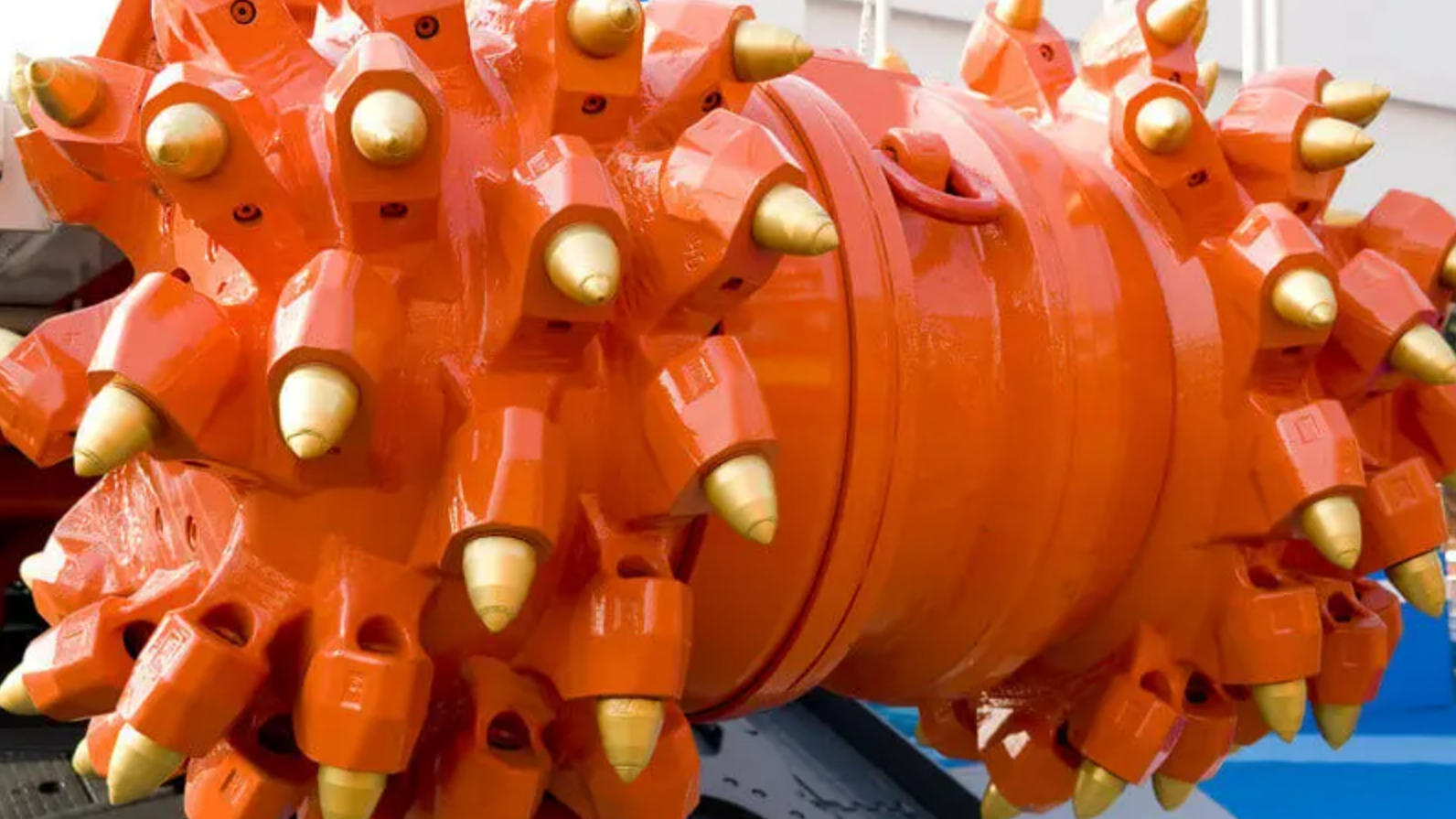
Road milling bits are bits that are very small but important in road construction machines. They are applied in the asphalt and concrete removal processes in road repair and resurfacing development. These bits are in direct contact with the road and are the ones that are doing the cutting. That’s why their quality and design influence the speed and smoothness of the task. The selection of the appropriate road milling bits is significant as it enhances the efficiency of the machines, minimizes downtimes, and assists in achieving the project completion in less time. This is why it is very important for construction companies to learn more about choosing milling bits according to the needs of the projects and the type of surface.
Understand the Type of Road Surface
The initial stage in the process of selecting the appropriate road milling bits is to know the kind of surface that should be cut. The roads may be of asphalt, concrete, or mixed materials, and a bit design is needed in each case. The softer asphalt generally requires sharper and faster-cutting bits, whereas concrete is harder and requires stronger and more wear-resistant bits. When using the wrong bit, it can wear off easily or not cut effectively. The operators are able to choose bits that fit the hardness and structure of the material by analyzing the road surface prior to starting work, resulting in a higher performance and extended tool life.
Choose the Right Carbide Tip Quality
The carbide tip of a road milling bit is the most significant component of it since it does the cutting. Good tungsten carbide tips have been widely utilized due to their strong, sharp, and wear-resistant properties. High-quality carbide implies that the bit is going to have a greater lifespan and a longer time of cutting performance. Poor carbide can flake off or fracture easily, and therefore, it takes a lot of time to replace and get down to business. Premium carbide tips can be used to a large extent in increasing productivity in heavy-duty road construction projects. It also allows for minimizing the strain on the machine since the cutting process becomes smoother and more stable.
Focus on Cutting Efficiency and Speed
Making productivity in road construction involves cutting. A good road milling bit ought to cut easily without using excessive force on the machine. Efficient bits also save on fuel and enable the machines to operate faster without overheating or high levels of vibrations. The shape of the cutting edge and tip shape affects the ease with which the bit can cut through the road surface. With high efficiency, the whole milling process takes less time and is more economical. Low-quality bits slow operations and wear on a machine, decreasing the overall project productivity.
Evaluate Heat Resistance Performance
A lot of heat is produced during road milling as a result of friction between the bit and the road surface. When a bit is unable to withstand high temperatures, it might lose hardness, thus rendering it unproductive. The good road milling bits are made using heat-resistant materials that cannot wear off even when working long hours. There are also special coatings on some of the advanced bits to help dissipate any heat. This enables it to be used constantly without the need to stop to cool down. Large highway projects are also of particular concern to heat-resistant bits because machines do not need to be refueled often. More stable cutting behavior and longer tool life are outcomes of better heat control.
Consider Cost vs Long-Term Value
When the buyer selects road milling bits, most individuals merely concentrate on the prices, whereas the long-term value is essential. Low-cost parts can be initially cost-effective but tend to wear out easily and need frequent maintenance. This adds to the total project expenses for downtime and maintenance. Better bits can be more expensive in the short term but are more durable and effective, and therefore might prove cheaper in the long term. Construction firms tend to estimate total operating cost and not necessarily the purchase price. Using long-lasting and effective bits can decrease long-term costs and enhance the profitability of the project.
Conclusion
To achieve successful road construction projects, it is important to choose the appropriate road milling bits. Surface type, carbide quality, wear resistance, compatibility, and heat performance are some of the factors that are significant in the selection of tools. Machines work better, projects take a shorter time to complete, and maintenance costs are minimized when the right bits are utilized. Ineffective selection, however, results in delays, increased costs, and poor quality of roads. Through quality and correct matching to the machine requirements, construction firms will be in a position to attain a smooth operation and improved long-term outcomes in the road milling work.